-
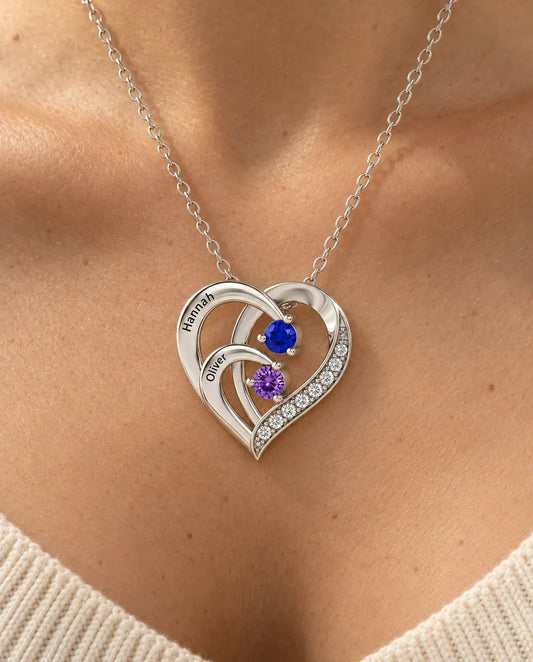
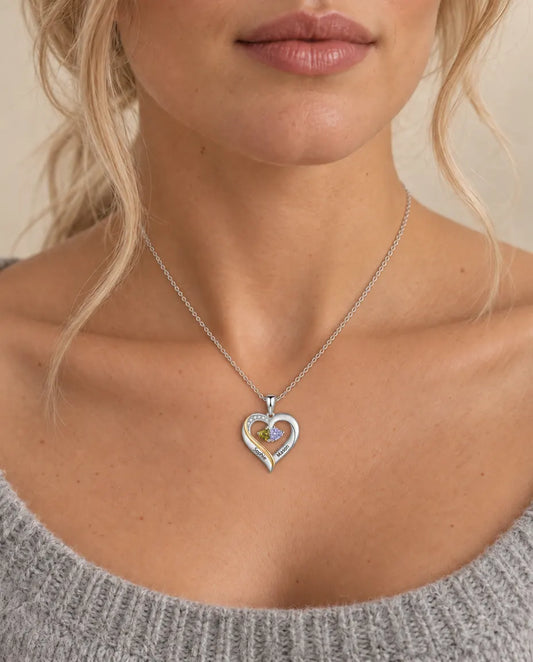
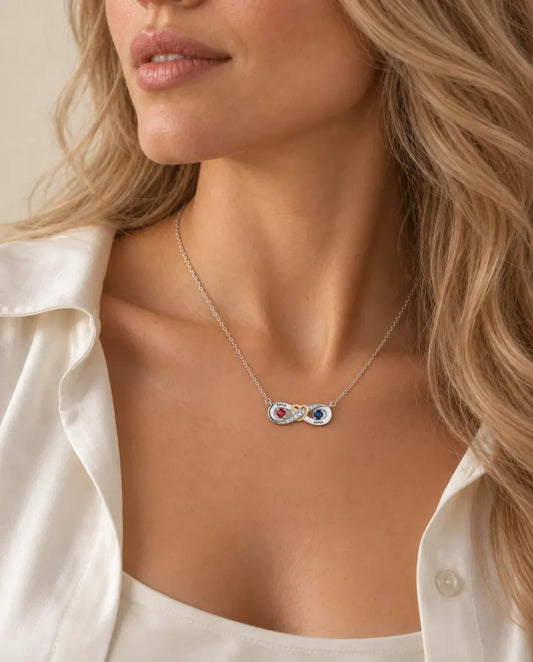
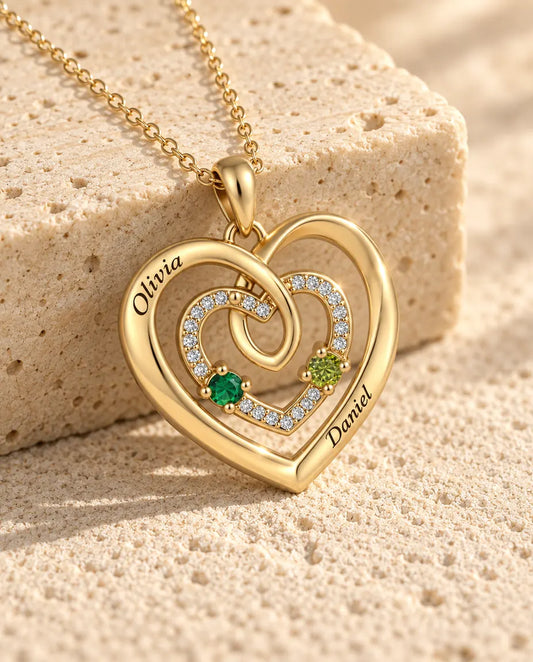
Personalized 2 Name Birthstone Necklace – Intertwined Hearts, 925 Sterling Silver, Custom Engraved Names & Stones, Gift for Mom & Couples
Regular price $139.95Regular price -
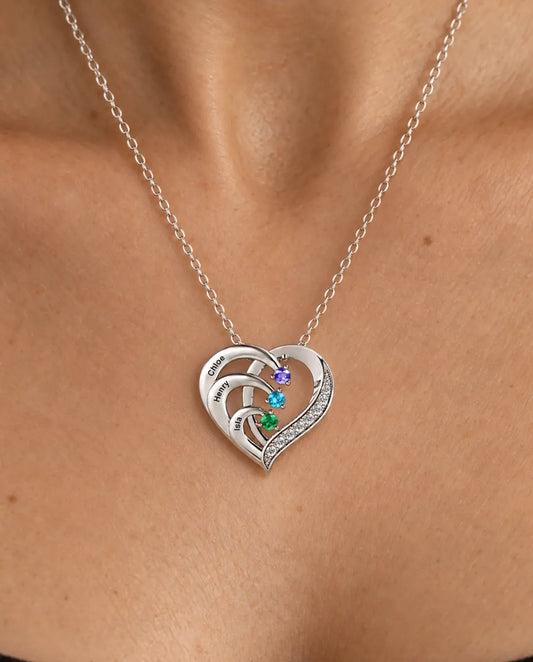
Personalized 3 Name Birthstone Necklace – Intertwined Hearts, 925 Sterling Silver, Custom Names & Stones, Family Gift for Mom & Grandma
Regular price $139.95Regular price -
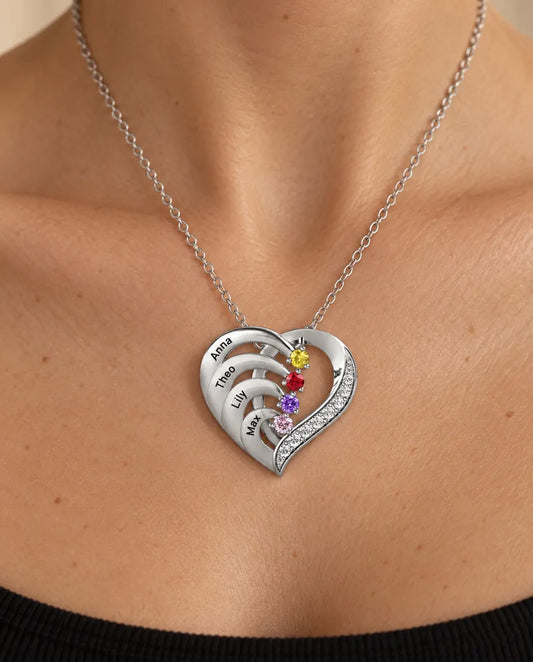
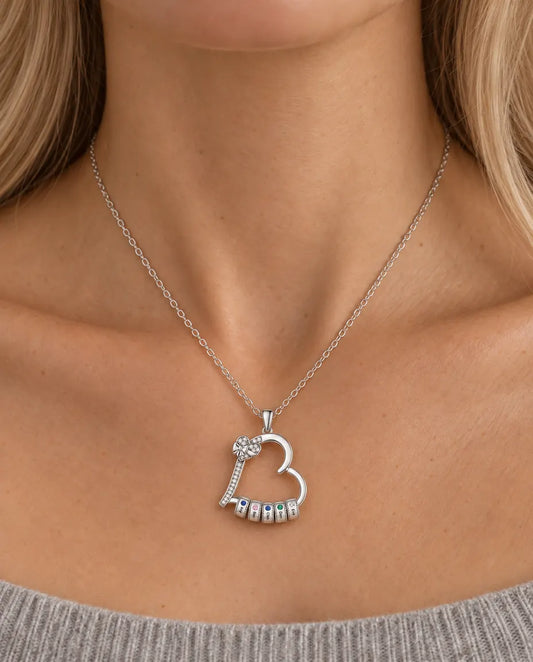
Personalized 4 Name Birthstone Necklace – Heart Pendant, 925 Sterling Silver, Custom Names & Stones, Family Gift for Mom & Grandma
Regular price $149.95Regular price -
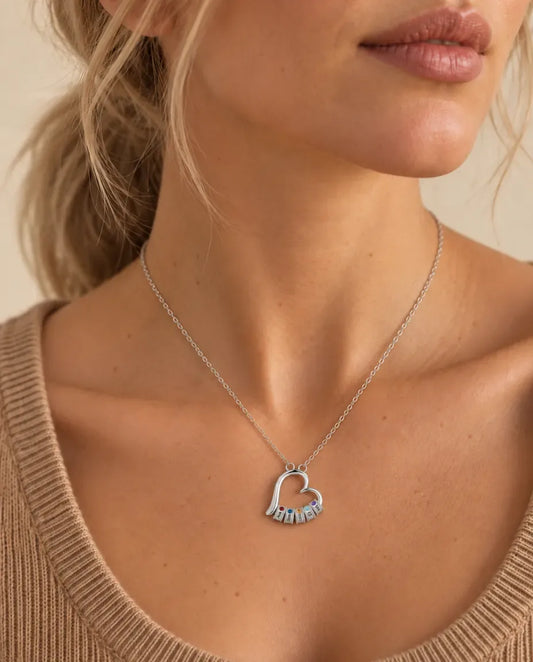
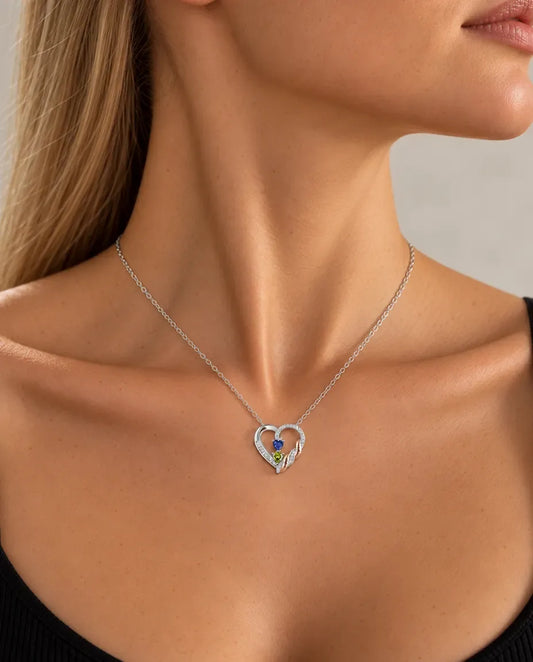
Personalized Birthstone Necklace for Mom – Open Heart Pendant, Custom Names & Birthstones, Mother's Day Gift for Grandma
Regular price $69.95Regular price$92.95Sale price $69.95Sale -
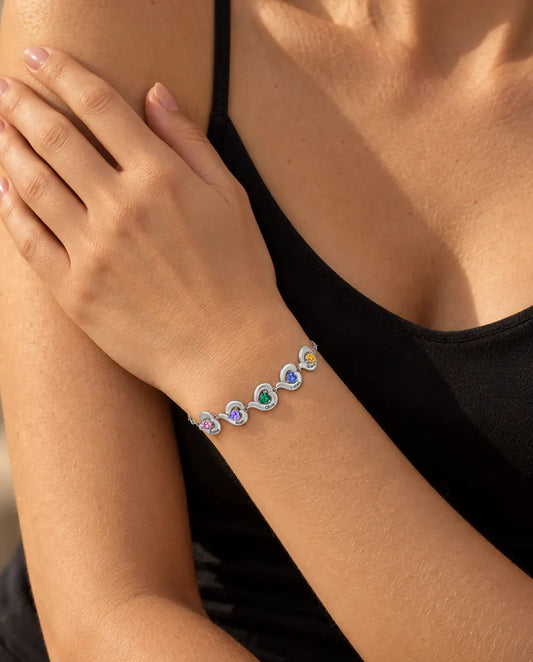
Personalized Heart Name Bracelet with Birthstones - 1 to 6 Engraved Hearts, Dainty Stainless Steel Family Bracelet, Gift for Mom or Grandma
Regular price $83.95Regular price$106.95Sale price $83.95SaleNew -
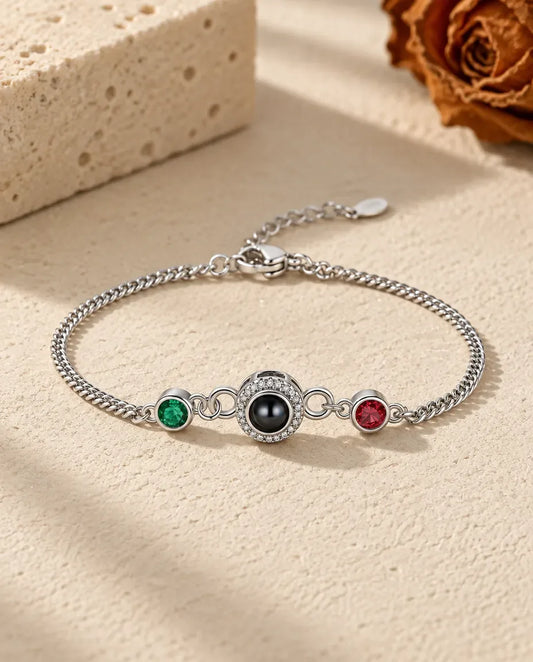
Photo Projection Bracelet with Picture Inside – Personalized 2 Birthstones, Custom Photo Keepsake, Memory Gift for Her & Mom
Regular price $74.95Regular price -
Sterling Silver Birthstone Necklace – Personalized Engraved Heart with 2 Names, Keepsake Gift for Mom, Wife or Best Friend, Mother's Day
Regular price $139.95Regular price -
Personalized Envelope Photo Locket Necklace with Heart Birthstone, Engraved Love Letter Locket in Silver & Gold, Custom Photo Gift for Her
Regular price $79.95Regular price$110.95Sale price $79.95Sale -
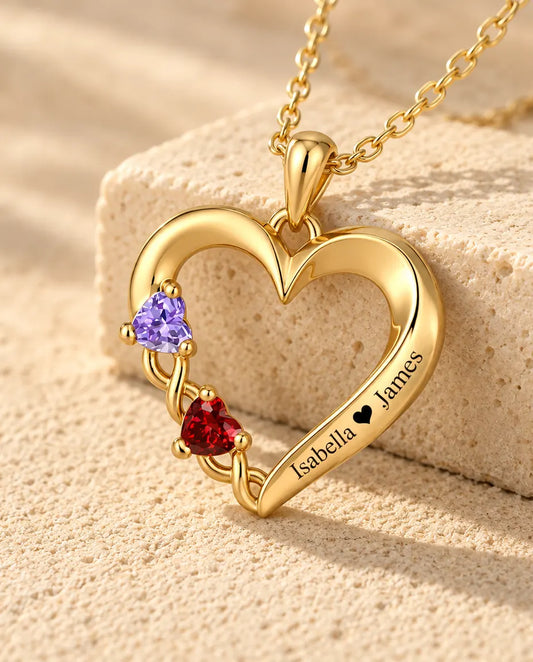
Personalized Birthstone Necklace With 2 Names - Gold Open Heart Pendant With Two Heart Simulated Birthstones
Regular price $87.95Regular price$111.95Sale price $87.95Sale -
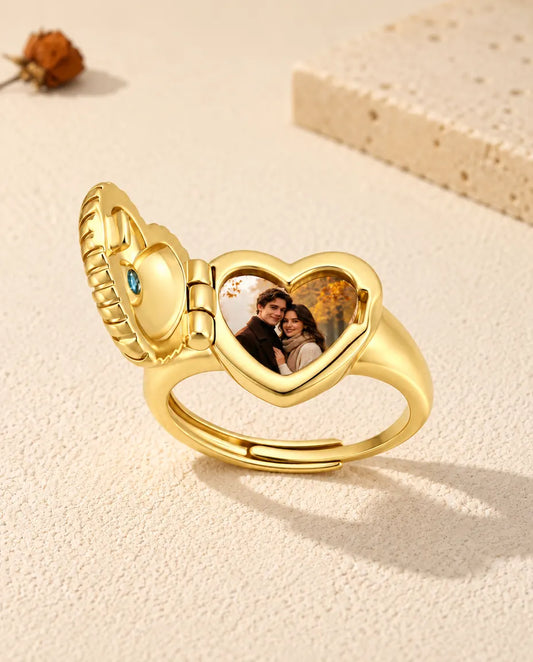
Personalized Heart Photo Locket Ring with Birthstone - Custom Picture Ring Engraved with Name, Adjustable Gold Tone Ring, Keepsake Gift for Her
Regular price $89.95Regular price$114.95Sale price $89.95SaleNew -
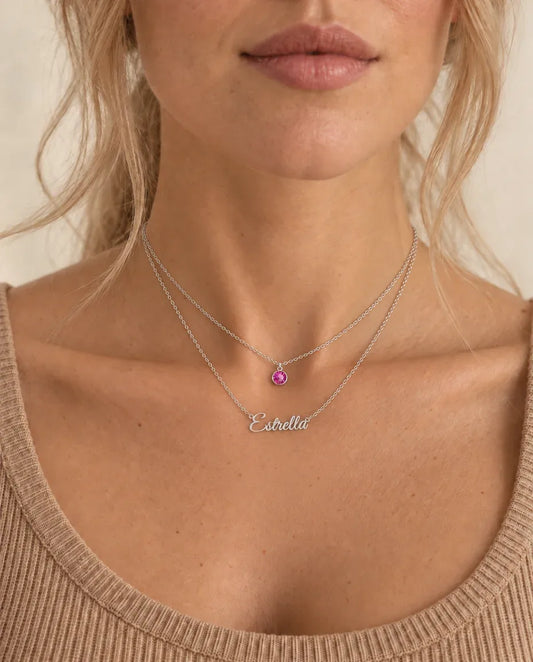
Personalized Birthstone Name Necklace Layered Set – Sterling Silver or Copper, Gold or Rose Gold Finish, Custom Gift for Her, Birthday Anniversary
Regular price $119.95Regular price$130.95Sale price $119.95Sale -
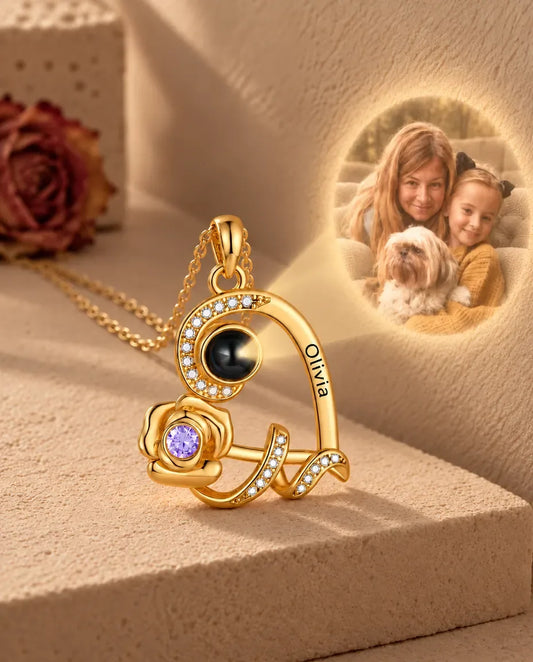
Personalized Photo Projection Necklace – Picture Inside Rose Heart Pendant, Engraved Name & Birthstone Keepsake Gift for Her
Regular price $82.95Regular price -
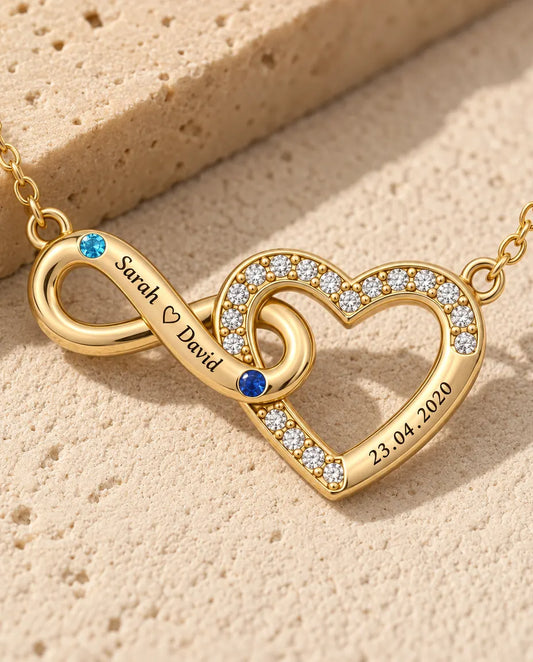
Personalized Birthstone Necklace With 2 Names And Date - Gold Infinity Heart With Two Simulated Birthstones
Regular price $91.95Regular price$116.95Sale price $91.95Sale -
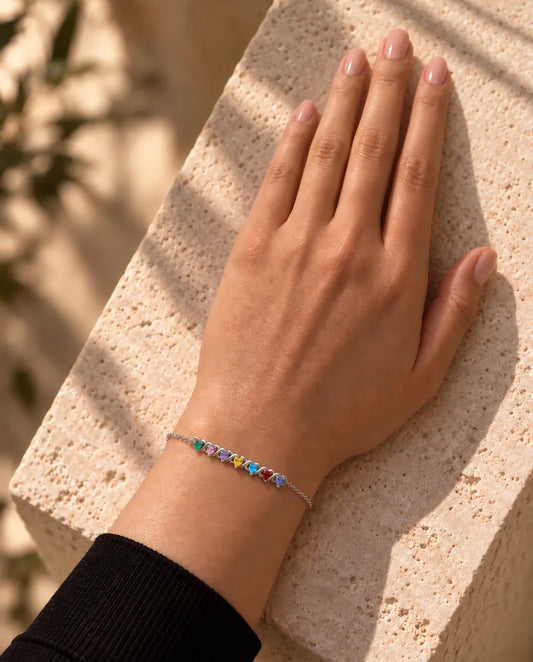
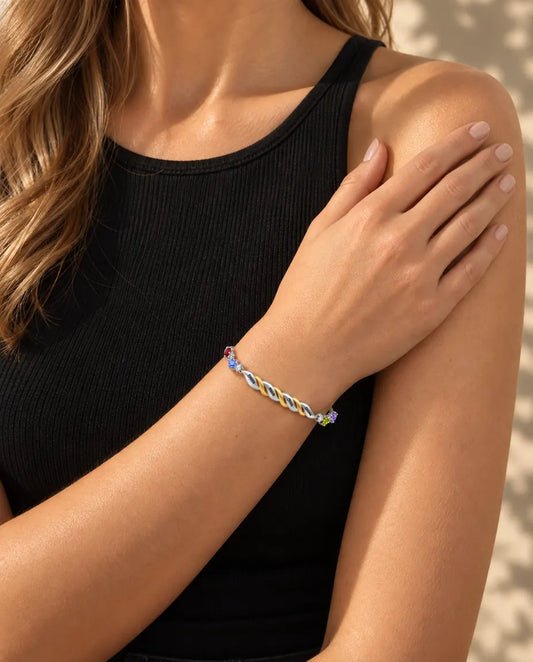
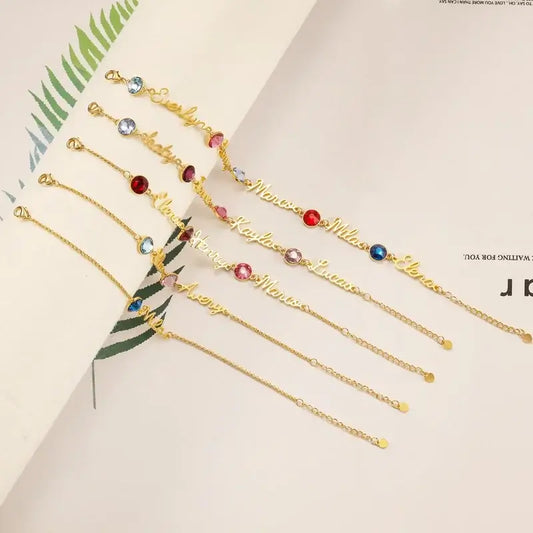
Personalized Birthstone Bracelet – 2 to 7 Birthstones with Engraved Names, Family Bracelet Gift for Mom, Her, Mother's Day
Regular price $69.95Regular price$92.95Sale price $69.95Sale -
Personalized Birthstone Family Necklace – Engraved 2-4 Names, Heart Pendant, White Gold Plated, Gift for Mom & Grandma
Regular price $69.95Regular price$92.95Sale price $69.95Sale -
Personalized Family Birthstone Heart Necklace – Engravable Pendant for Mom, Custom Names Gift for Mother's Day
Regular price $69.95Regular price$92.95Sale price $69.95Sale -
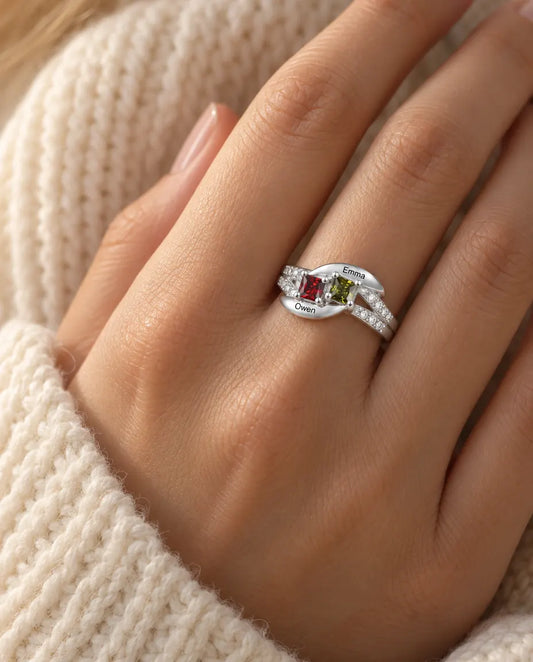
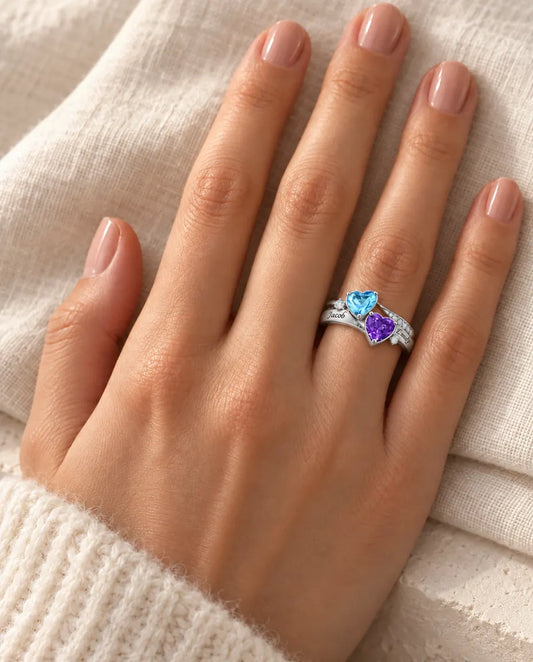
Dual Heart Birthstone Name Ring – Personalized Sterling Silver Promise Ring, 2 Engraved Names, Gift for Her
Regular price $99.95Regular price$121.95Sale price $99.95Sale -
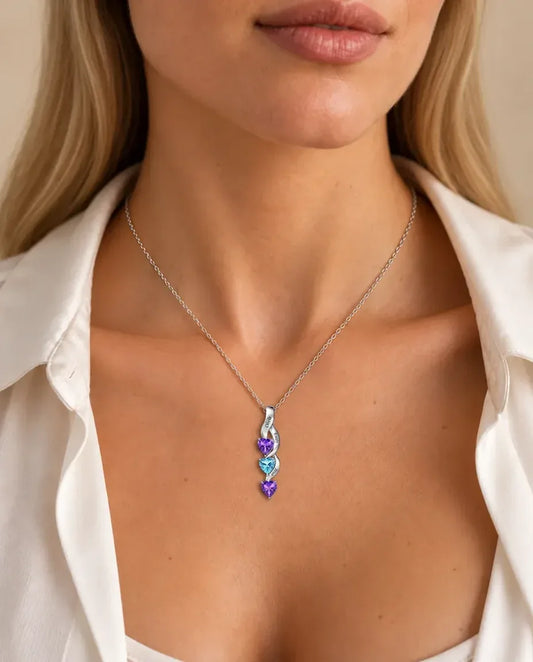
Personalized Birthstone Necklace for Mom – Intertwined Infinity Hearts, 3 Names & Stones, 925 Sterling Silver, Mother's Day Family Gift
Regular price $99.95Regular price$131.95Sale price $99.95Sale -
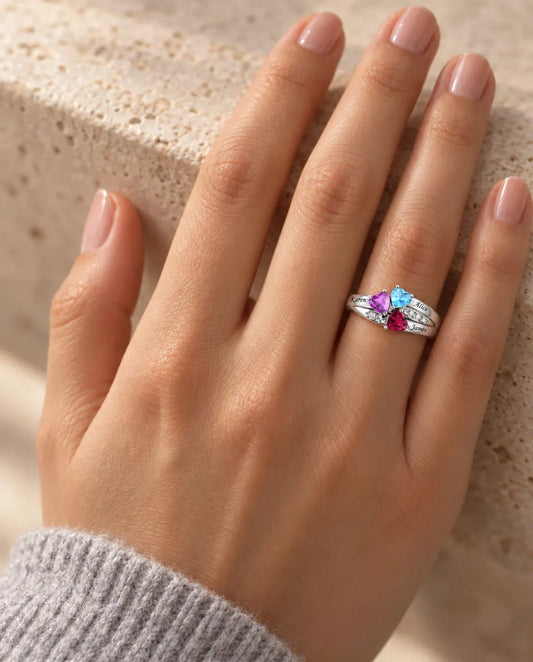
Personalized 3 Birthstone Ring for Mom – Custom Engraved Names, 925 Sterling Silver Family Ring, Mother's Day Gift for Grandma
Regular price $89.95Regular price$127.95Sale price $89.95Sale -
Personalized Mother And Child Necklace With Name - Heart Pendant With Two Simulated Birthstones, Silver
Regular price $87.95Regular price$111.95Sale price $87.95Sale -
Personalized Birthstone Necklace – Custom 2 Names Heart Pendant, 925 Sterling Silver for Mom, Her, Mother's Day Birthday Gift
Regular price $119.95Regular price$141.95Sale price $119.95Sale -
Sterling Silver Infinity Birthstone Necklace – Personalized Engraved 2 Names Heart Pendant for Her, Anniversary Gift for Wife
Regular price $139.95Regular price -
Personalized Birthstone Necklace for Mom – Engraved 2 or 4 Names Interlocking Heart Pendant, Family Jewelry, Mother's Day Gift for Her
Regular price $69.95Regular price$92.95Sale price $69.95Sale -
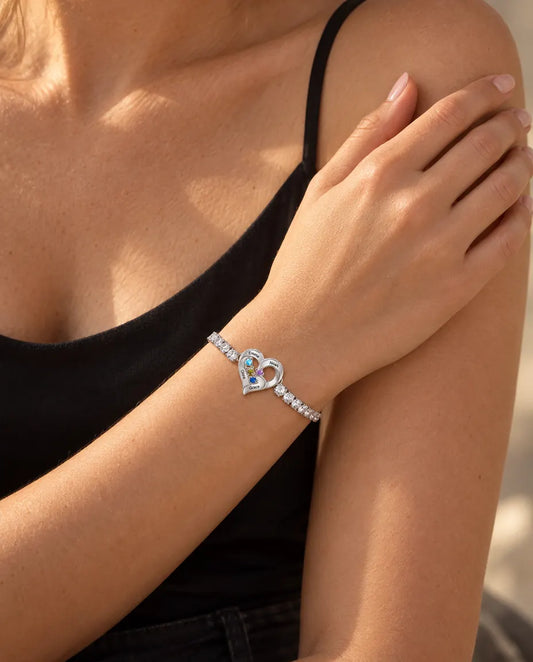
Personalized Birthstone Bracelet for Mom – Engraved Heart Name Bracelet, Adjustable Zircon Tennis Style, Family Jewelry Gift for Mother's Day
Regular price $87.95Regular price$111.95Sale price $87.95Sale -
Personalized Mom Bracelet – Engraved 2-4 Heart Birthstones, Custom Family Gift for Mother's Day or Birthday
Regular price $87.95Regular price$111.95Sale price $87.95Sale -
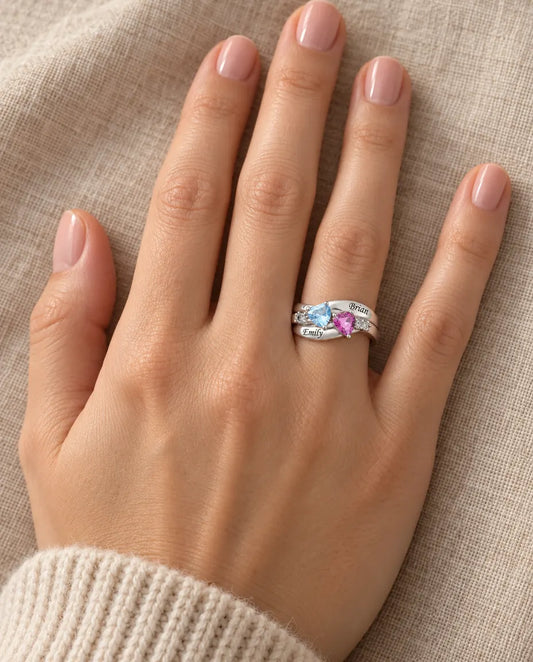
Personalized 2 Name Birthstone Ring - Sterling Silver Promise Ring for Couples or Mom With Two Engraved Names and Simulated Birthstones
Regular price $101.95Regular price$129.95Sale price $101.95Sale -
Personalized Birthstone Necklace With 2 Names - Engraved Gold Disc Pendant With Two Simulated Birthstones
Regular price $87.95Regular price$111.95Sale price $87.95Sale -
Personalized Birthstone Necklace With 2 Names - Double Heart Pendant With Two Pear Simulated Birthstones, Silver
Regular price $87.95Regular price$111.95Sale price $87.95Sale -
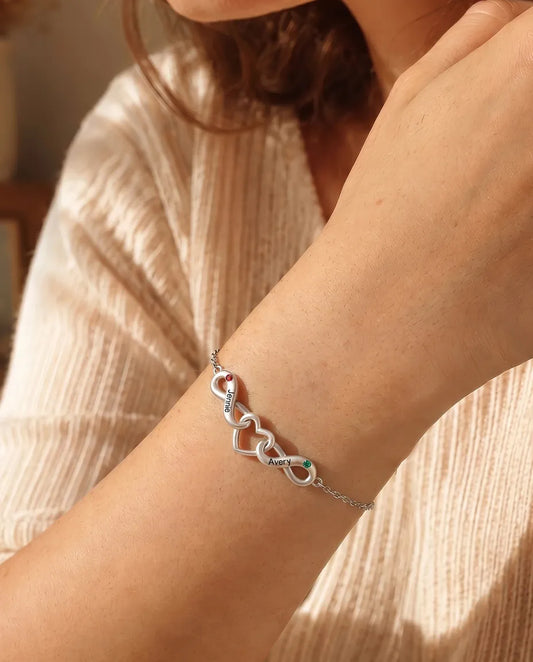
Personalized Infinity Bracelet With 2 Names - Double Infinity and Heart With Two Simulated Birthstones, Silver
Regular price $87.95Regular price$111.95Sale price $87.95Sale -
-
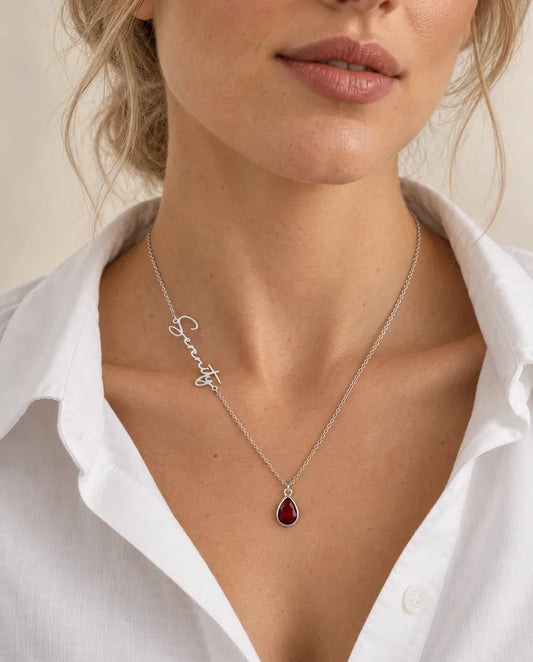
Personalized Name Necklace with Birthstone – Cut-Out Script Pendant, Birth Month Stone, Meaningful Gift for Her, Mom & Women
Regular price $129.95Regular price$186.95Sale price $129.95Sale -
Personalized Birthstone Bracelet – Engraved Name Heart Link Bracelet for Mom, Copper Family Jewelry, Mother's Day Birthday Gift for Her
Regular price $87.95Regular price$111.95Sale price $87.95Sale -
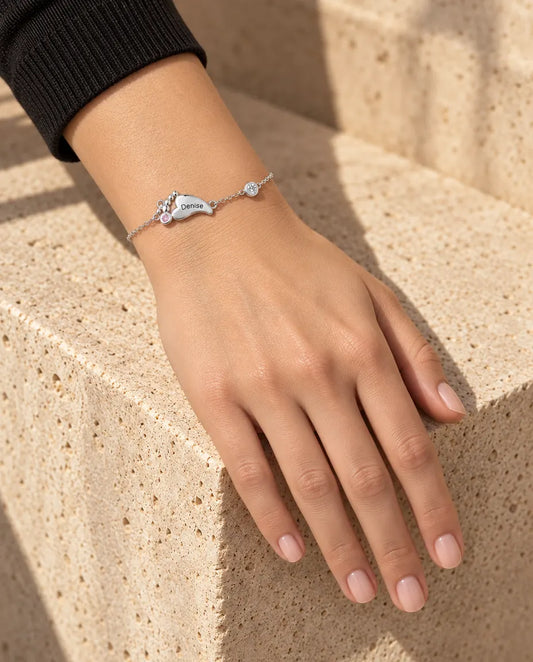
Personalized Baby Feet Birthstone Bracelet – Sterling Silver with Children's Names, New Mom Gift for Her, Mother's Day
Regular price $69.95Regular price$92.95Sale price $69.95Sale -
2 Birthstone Name Ring – Personalized Sterling Silver Family Ring, 2 Engraved Names, Silver, Gift for Wife, Birthday
Regular price $89.95Regular price$123.95Sale price $89.95Sale -
2 Birthstone Ring – Personalized Sterling Silver Family Ring, 2 Engraved Names, Silver, Gift for Mom, Mother's Day
Regular price $89.95Regular price$126.95Sale price $89.95Sale -
Personalized Name & Birthstone Scroll Necklace – Custom 1-5 Engraved Names for Mom or Grandma, Mother's Day Gift
Regular price $69.95Regular price$92.95Sale price $69.95Sale -
5 Birthstone Ring for Mom – Personalized Sterling Silver Family Ring, 5 Engraved Names, Silver, Gift for Mom
Regular price $99.95Regular price$129.95Sale price $99.95Sale -
Men's Faux Leather Bracelet – Personalized 1–8 Birthstone Beads, Engraved Name Bracelet for Him, Dad, Birthday Gift
Regular price $99.95Regular price$130.95Sale price $99.95Sale -
Personalized Heart Birthstone Ring With 3-4 Names and Inside Engraving - Family Ring With Engraved Names and Simulated Birthstones, Silver
Regular price $91.95Regular price$116.95Sale price $91.95Sale -
Personalized Open Heart Birthstone Ring With 2, 4 or 6 Names - Stackable Family Ring With Engraved Names and Simulated Birthstones, Silver
Regular price $87.95Regular price$111.95Sale price $87.95Sale -
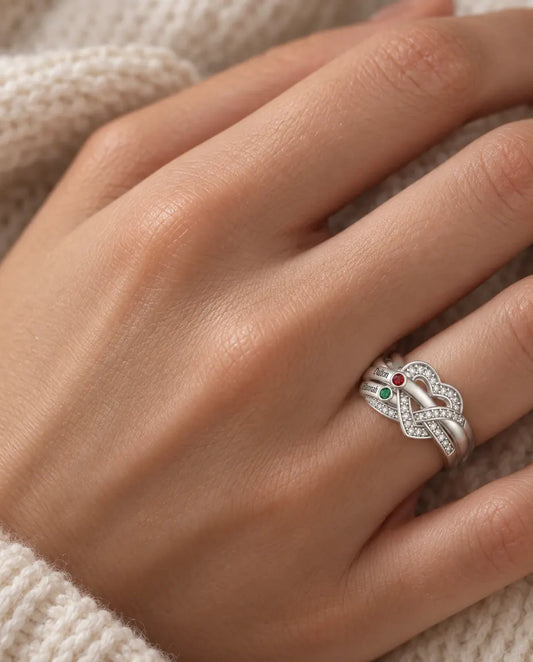
Personalized Heart Knot Birthstone Ring With 2-6 Names - Family Ring With Engraved Names and Simulated Birthstones, Silver
Regular price $87.95Regular price$111.95Sale price $87.95Sale -
Personalized Birthstone Necklace With 2 Names - Gold Triple Heart Pendant With Two Simulated Birthstones
Regular price $87.95Regular price$111.95Sale price $87.95Sale -
Personalized Birthstone Necklace With 2 Names - Interlocking Heart Pendant With Two Pear Simulated Birthstones, Silver
Regular price $87.95Regular price$111.95Sale price $87.95Sale -
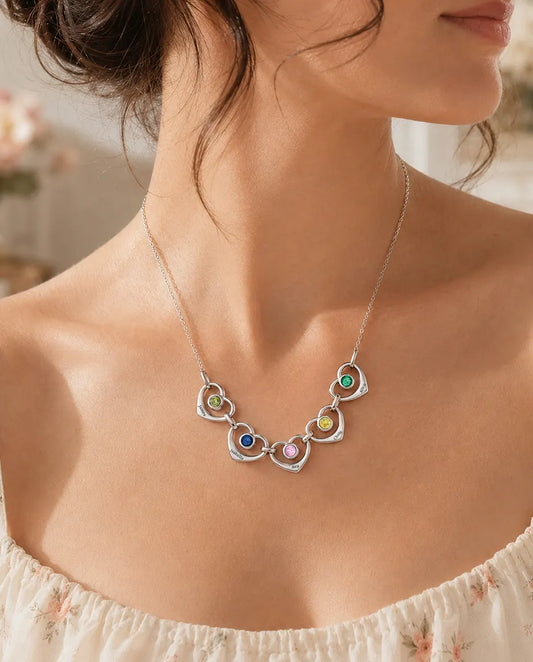
Personalized Family Birthstone Necklace With 1-6 Names - Linked Hearts With Simulated Birthstones, Silver
Regular price $87.95Regular price$111.95Sale price $87.95Sale -
Personalized Birthstone Necklace With 2 Names - Infinity Heart Pendant With Two Pear Simulated Birthstones, Silver
Regular price $87.95Regular price$111.95Sale price $87.95Sale -
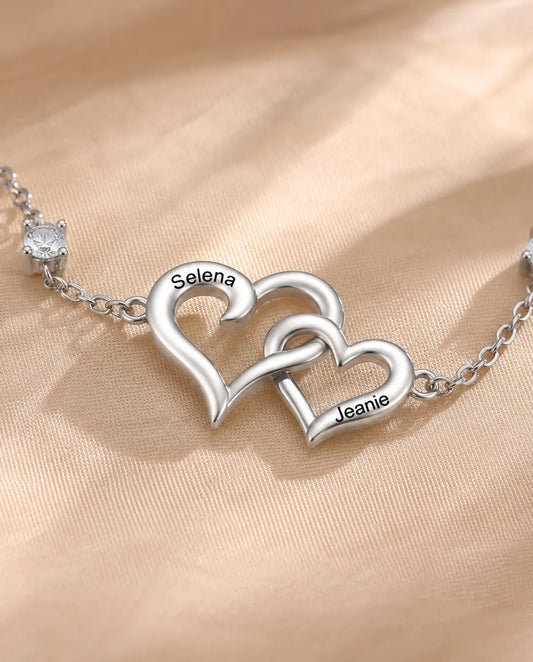
Personalized Double Heart Bracelet With 2 Names - Interlocking Hearts With Two Simulated Birthstones, Silver
Regular price $87.95Regular price$111.95Sale price $87.95Sale -
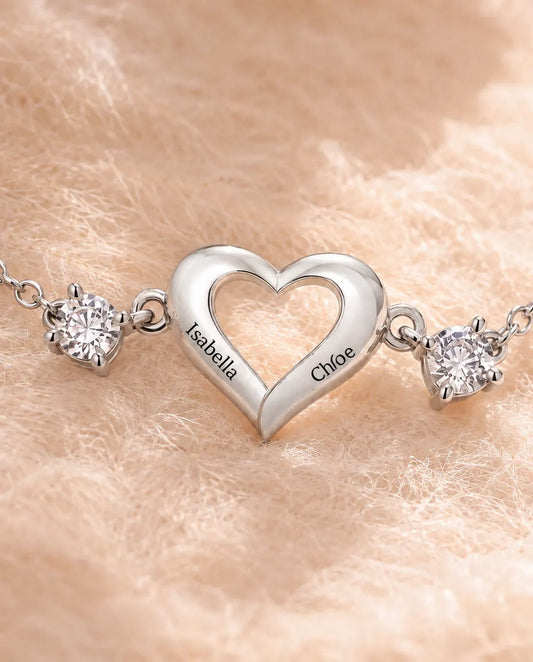
Personalized Birthstone Bracelet With 2 Names - Open Heart Chain Bracelet With Two Simulated Birthstones, Silver
Regular price $87.95Regular price$111.95Sale price $87.95Sale -
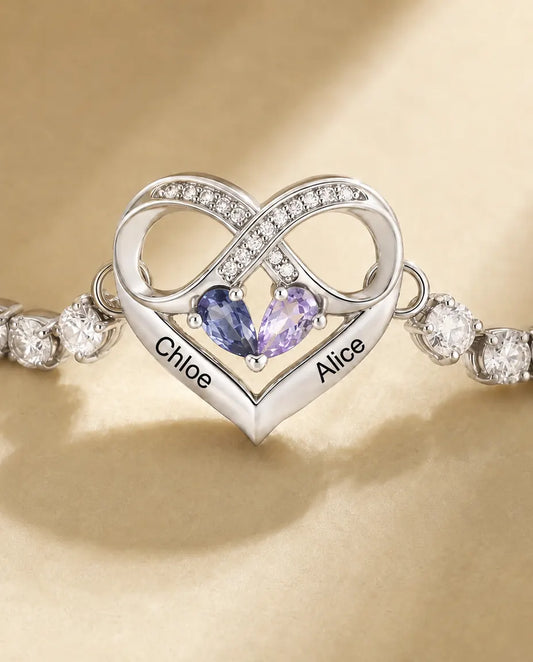
Personalized Birthstone Bracelet With 2 Names - Infinity Heart Tennis Bracelet With Two Simulated Birthstones, Adjustable
Regular price $91.95Regular price$116.95Sale price $91.95Sale















































Begin With the Months, Not the Metal
You do not need to know a single gemstone name to buy from this page. List the birth months you want represented — children, partner, parents, or your own — then filter to designs that hold that count. On personalized pieces you pick each month from twelve color swatches, and the stone that belongs to it is chosen for you. To look it up first, our birthstone finder works from a month, a full birth date or a zodiac sign.
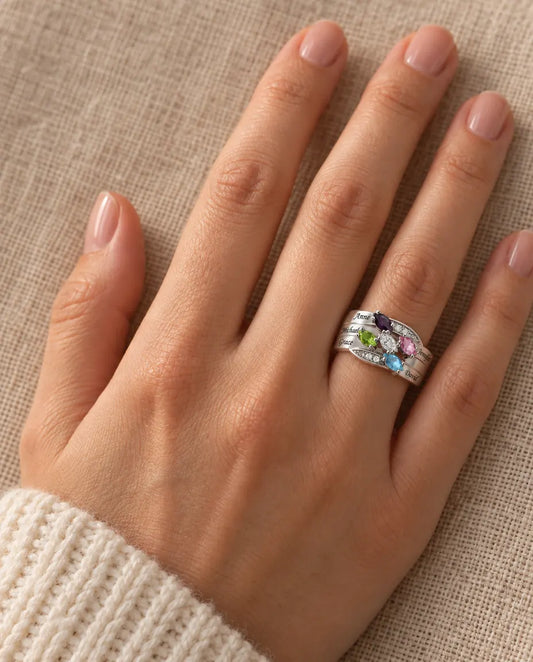
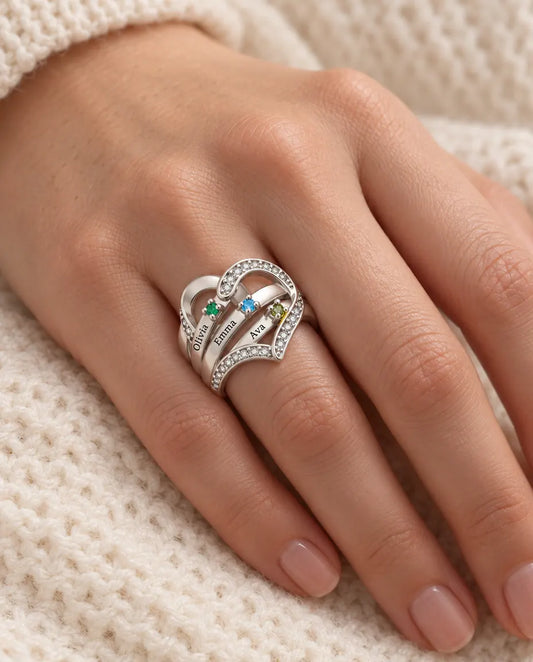
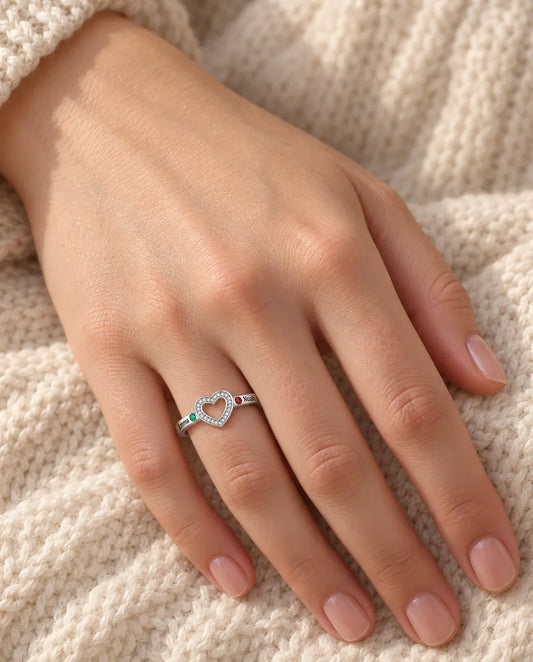
Count the people before you choose the design. A three-name pendant and a five-name pendant are different products, not two settings of the same one, so the arithmetic comes first. Family necklaces and bracelets here run up to seven stones; most of the birthstone rings here set two or three, and the largest ring design holds nine.
The list below follows the modern American birthstone list. It is common jewelry convention rather than anything specific to us — what our stones are physically made of is a separate question, answered in the next section.
| Month | Traditional birthstone | Color it reads as |
|---|---|---|
| January | Garnet | Deep red |
| February | Amethyst | Purple |
| March | Aquamarine | Pale blue |
| April | Diamond | Clear |
| May | Emerald | Green |
| June | Pearl, moonstone or alexandrite | Cream white / color-changing |
| July | Ruby | Red |
| August | Peridot | Lime green |
| September | Sapphire | Deep blue |
| October | Opal or tourmaline | Iridescent / pink |
| November | Topaz or citrine | Golden yellow |
| December | Turquoise, zircon or tanzanite | Blue / blue-violet |
What the Stones in These Designs Actually Are
Here is the plain answer, because vague answers are worth nothing. A smaller share of the product pages in this collection name cubic zirconia outright. On a smaller share of those the cubic zirconia is the birthstone itself, cut and colored to the month; on the rest it is the clear accent work — pavé lines, halos and side stones — set around the birthstones. The remaining pages describe the setting simply as a birthstone without naming the material. None of these pages describes its stone as a mined natural gemstone, and none of them gives the stone a house trade name instead of a real one.
If a design you like falls into that unnamed group and the material matters to you, write to us before you order and we will check that specific design and tell you. We would rather answer the question than have you assume.
| Cubic zirconia | Mined natural stone | |
|---|---|---|
| What it is | Zirconium dioxide grown in a lab; no natural equivalent in usable form | Formed in the ground over geological time |
| Hardness (Mohs) | 8 to 8.5 | Varies by stone: 9 for ruby and sapphire, about 7.5 to 8 for emerald |
| How it looks | More fire than diamond — dispersion around 0.058 to 0.066 against diamond's 0.044 | Often included, rarely flawless |
| Trade-off | Surface can dull with wear; cleans back up | Price, and inconsistent color |
| Found in this collection | Named on a smaller share of product pages | Not claimed on any page here |
Cubic zirconia is a sensible choice for a family piece, and it is worth saying why rather than apologizing for it. At Mohs 8 to 8.5 it sits above quartz and well above glass, so it survives a bracelet knocked against desks and car doors. It also takes color cleanly and repeatably, which is the whole reason a set of seven family stones can look matched rather than like seven mismatched shades. What it will not do is hold value; if you want an heirloom asset rather than a keepsake, this is not the page for it. And when one looks duller after a year or two, that is almost always a film of skin oil and hand cream rather than damage: warm water, dish soap and a soft toothbrush behind the setting usually restores it.
Silver, Steel and Copper: Reading the Metal on the Page
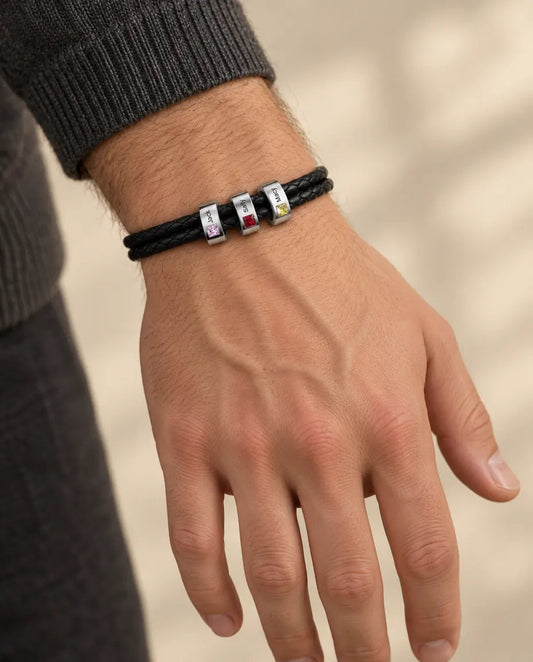
925 sterling silver is the base metal that product pages in this collection state most often, by a wide margin. Others name something else: copper, stainless steel, brass or leather cord. The men's beaded bracelets are built on leather and copper by design, not as a substitute for anything. The exact material for each design is listed on its product page.
One piece of vocabulary is worth learning before you shop anywhere, not just here. Silver-tone, silver color and silver-plated describe a surface finish, not the metal underneath; only a stated 925 sterling silver tells you what the body of the piece is made from. We use those words literally, and it is fair to hold every jeweler to the same standard.
To stay inside solid silver, start from a page built around it — silver necklaces and silver bracelets — then look for the birthstone designs inside them.
When Names Join the Stones
Most of these designs pair every stone with an engraved name, which is what turns a pretty pendant into a small family record. Prices climb as names and stones are added. Engraving is typed into a plain text box on the product page and cut character for character exactly as you type it — there is no on-screen rendering of the text and no font to choose, so that field is the only place your spelling gets checked.
Read it back before you pay. Nicknames, accented letters, a middle initial you were not sure about — whatever is in that box is what goes onto the metal. Because personalized pieces are made for one customer, all sales are final on custom work: a spelling caught at checkout costs nothing, one caught on delivery cannot be undone.
That limit runs one way only. If the fault is ours — wrong item, damage in transit, or an engraving that does not match what you ordered — you get a free replacement or a full refund, with no postage fees, restocking fees or hidden charges, within 60 days of receiving the order. Full wording is on our return and exchange page.
Necklace, Ring, or Bracelet?
Necklaces display the stones at eye level and are the most forgiving first gift, because there is no sizing to get wrong. Rings work as a daily, glance-down reminder and read best with one to three stones. Necklaces and bracelets both hold up to seven stones and carry most of the big family pieces — five, six, seven names; one ring design goes further and holds nine.
Rings do need a size. For a surprise, borrow a ring she already wears on the same finger and measure it against our ring size converter; if that is not possible, a pendant removes the problem entirely. Bracelets here are mostly adjustable, making them the safe middle ground.
Occasions Where Birthstones Land Best
- A new baby — add the newest stone to mom's necklace or ring.
- Mother's Day — the birthstone necklaces for mom lineup is built exactly for this, and sits inside our wider Mother's Day jewelry selection.
- Milestone anniversaries — two stones, two names, one piece — a heart necklace with birthstones is the classic form.
- Grandma's birthday — grandchildren's months in one place, where the six- and seven-stone designs earn their keep.
- A first birthday or christening — one stone now, with room to add names later if the design holds more.
The pattern is the same across all of them: a birthstone piece needs no explanation. She counts the stones, recognizes the months, and the gift has already worked.
Combining Colors, and Keeping Them Vivid
Two colors that sit close together on the wheel blur into one at conversational distance. January garnet beside July ruby reads as a single red band across a room; March aquamarine beside December turquoise does the same in blue. Neither is a mistake, but know which effect you are buying. To keep each child distinctly visible, separate near-shades with a contrasting month — August peridot or November citrine break up a run of blues cleanly.
There are two sensible orders for a multi-stone piece: birth order, which most families choose and never regret, or color order, which photographs better but stops meaning anything once a new baby arrives. If you expect to add stones later, birth order stays coherent.
Keeping the colors vivid takes very little. Wipe pieces with a soft, dry cloth after wear, keep them away from perfume, hairspray and household cleaners, and store them in a pouch rather than on a steamy bathroom shelf. Sterling silver settings darken over time by nature; that patina lifts with a silver cloth in minutes. Take rings off before swimming, gardening or the gym — chlorine and grit do more damage in one afternoon than a year of ordinary wear.
Questions Before You Order
Which birthstone belongs to my month?
The table above lists the traditional stone and its color for all twelve months. You do not need to know it to order — on personalized designs you pick the month itself from color swatches, and our birthstone finder confirms it from a birth date or zodiac sign.
Are the birthstones real gemstones?
A smaller share of these product pages name cubic zirconia. None claims a mined natural gemstone. Where a page describes the setting only as a birthstone without naming the material, ask us and we will check that design before you order.
Can I check the engraving on screen before I order?
No. The name and engraving fields are plain text boxes with no on-screen rendering, so what you type is what gets cut. Read the field back before checkout — that is the only check there is, and the reason custom pieces are final sale.
What happens if the engraving arrives wrong?
If it does not match what you ordered, that is our error and it is on us: a free replacement or a full refund, with no postage fees, restocking fees or hidden charges, within 60 days of receiving your order.
How long does delivery take, and who pays any duties?
Shipping is CA$9.95, free on orders over CA$139, and takes 7–12 business days once the piece leaves the studio. Every order is tracked and the tracking number is emailed to you as it ships; multiple items are combined into one shipment. Import duties and taxes are covered by us, so there is nothing to pay at the door; the details are on the delivery and shipping page.
How many stones can one piece hold?
It depends on the design; the range across this collection runs from one to nine. Each product page states its own maximum in the title and in the options, so choose by the number of people first and the shape second.
Frequently asked questions
How many birthstones can one piece hold?
Designs in this collection hold from one to nine stones — necklaces and bracelets go up to seven and one ring design holds nine, each stone usually paired with an engraved name.
How do I find someone's birthstone if I only know their birthday?
Every birth month has a traditional gemstone, so the birthday alone is enough. You select the stone for each person's month on the product page, and our birthstones-by-month guide lists all twelve if you want to preview colors first.
Can I add names along with the birthstones?
Yes — most designs pair each stone with a custom engraved name. You enter the names and months when ordering, and the piece is made to order, most often in 925 sterling silver.
What if I pick the wrong month or misspell a name?
Review every name and birth month carefully before ordering — personalized and engraved pieces are made to order and final sale. Eligible non-personalized birthstone items can be returned within 60 days of delivery for 80% of the item price, or exchanged with no deduction.
When should I order a birthstone gift for Mother's Day?
Allow about four weeks. Each piece is made to order and typical delivery is 7-12 business days, so ordering early keeps you clear of the holiday. Personalized pieces take up to 4-7 business days before shipping, and many best sellers ship in 1-2.
Video guide
- January has one birthstone, garnet, in all four columns of the birthstone table: the 15th–20th century, the U.S. lists of 1912 and 2019, and the UK list of 2013.
- Garnet is not one mineral but a group of silicate minerals. Garnets come in every color, with reddish shades the most common and blue the rarest.
- Ruby, July's birthstone, is a different mineral, a variety of corundum, and it is usually pinker than garnet.
- On our birthstone pieces, January and July are both red swatches, so check the month label rather than the color.
- December has three birthstones on the current U.S. list (turquoise, zircon and tanzanite) and two on the UK list (tanzanite and turquoise); blue topaz is on neither.
- Zircon is a natural mineral, zirconium silicate. Cubic zirconia is a different material, zirconium dioxide, and the cubic zirconia used in jewelry is synthesized.
- On our birthstone pieces, you pick a month for each stone, and each month is one stone color, so for December you simply pick Dec.
- Confirm each person's birth month and check the spelling of every name before you order.